Why Your Toilet Keeps Running
Three faults sit behind almost every running cistern: a fill valve that never closes, a flush seal worn enough to pass water, and a level set above the overflow. If your toilet keeps running, one of those three is to blame, and a short look tells you which. Our QBCC licensed plumbers sort all three out across Fortitude Valley every week, from tower units to converted shopfronts on the mall strips.
If we're late, $100 comes off your bill

- Licensed and InsuredEvery job done by a licensed plumber. QBCC No: 15024607
- Fixed Quote FirstFlat-rate pricing, agreed before any work starts
- Lifetime Labour WarrantyBacked by our Fix-It-or-It's-Free guarantee (T&Cs apply)
- $0 Call-Out FeesNo extra charge for nights, weekends or public holidays
Why the Cistern Never Stops Filling
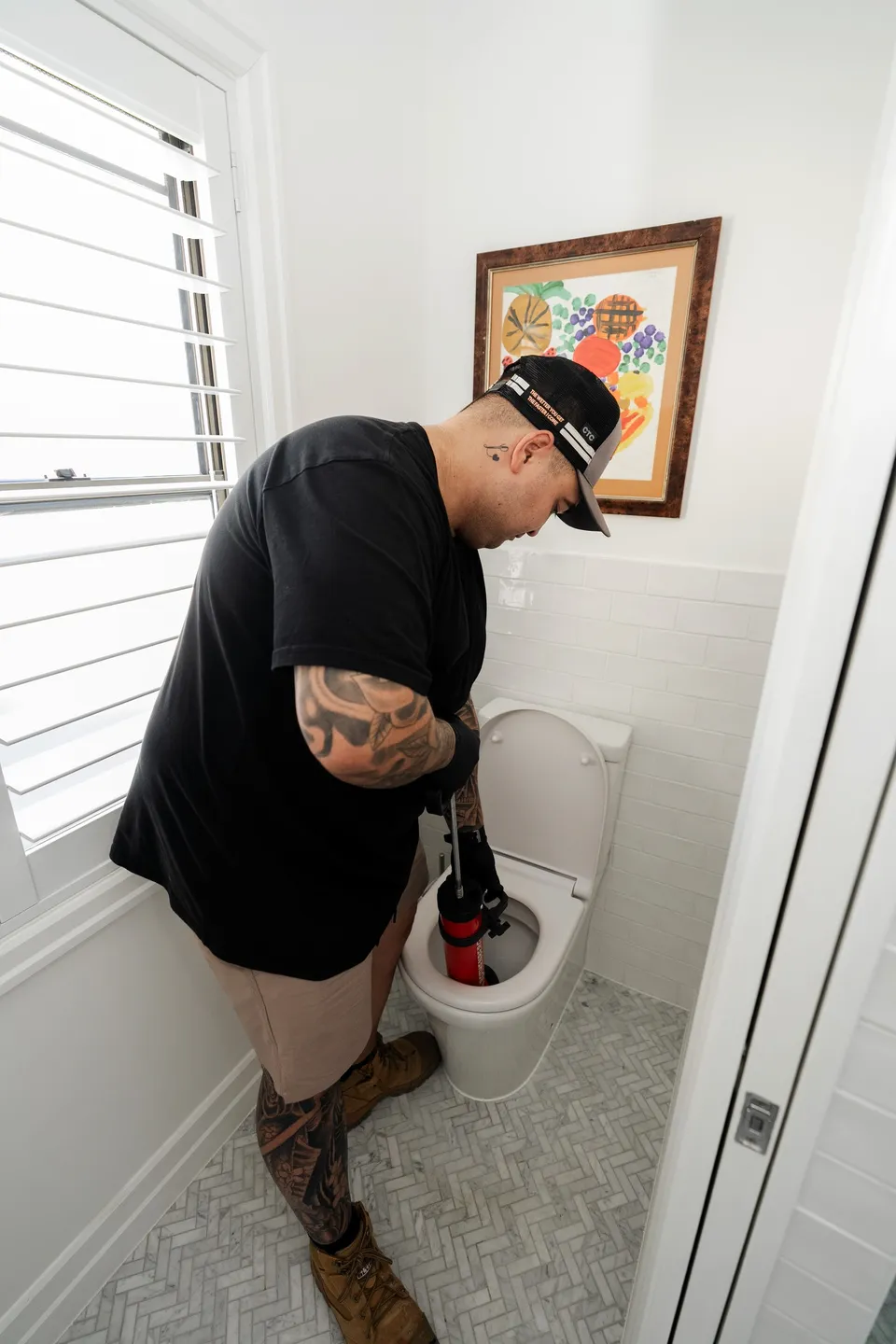
A fill valve that never shuts, a flush seal letting stored water into the bowl, and a level high enough to reach the overflow: those are the three causes, and each leaves its own sign.
The fill valve refills the tank after each flush and stops once the float reaches its set height. Grit or wear inside that valve shows up as:
A steady hiss or trickle
carrying on after the tank has refilled, pointing at a fill valve that refuses to shut.
Quiet top-ups between flushes
, with nothing pressed, meaning the flush seal is passing water.
Water escaping down the overflow
, sometimes as an outside pipe that drips, meaning the level sits too high and the fill valve or float needs resetting.
The Dye Test for a Leaking Cistern
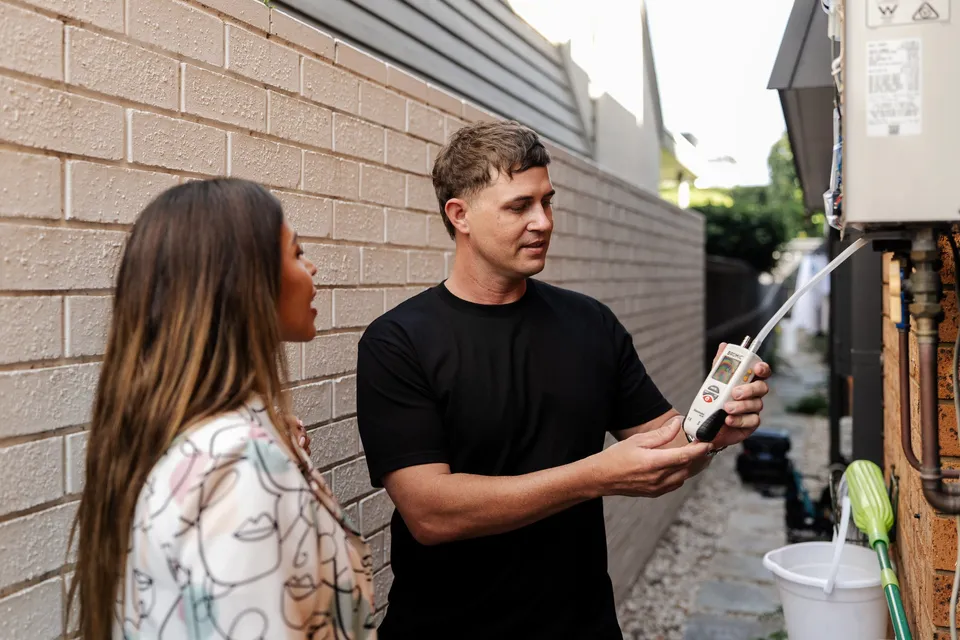
Drip some food colouring into the cistern, leave the toilet unflushed, and watch the bowl for colour: that is the whole test. Then read the result:
Colour reaching the bowl
means stored water is escaping past the flush seal.
A clear bowl
means the flush seal is sound, and the fill valve and the level become the next checks.
Flush after the check
The dye washes away clean, and glazed ceramic keeps no stain.
No colouring in the kitchen? Rest a dry sheet of toilet paper high on the back of the bowl, past the water line, and leave the paper there. A sheet that comes away damp reveals a leak.

Slow, Partial or No Refill After a Flush
A cistern that refills at a crawl, or never at all, usually means a worn or gummed-up fill valve, a float riding too low, or a half-open stop tap. Check in that order.
The stop tap comes first, because a tap opened only part way starves the whole line downstream. Next is the float, since a float riding low shuts the fill early and the level never climbs. The fill valve comes last, where grit can jam the mechanism shut.
Water running with the level stuck low tells a different story. The flush seal may be dumping the tank as fast as the valve tops up, so nothing ever stores.
Which Cistern Parts a Home Owner May Replace
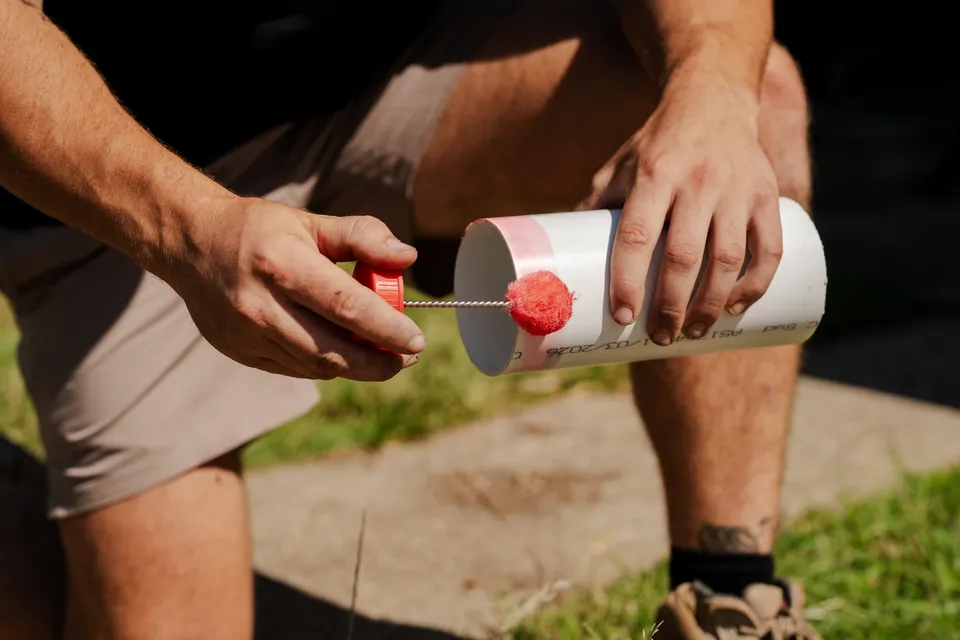
The QBCC classes three cistern parts as work anyone with the needed know-how may swap: a float valve washer, a drop valve washer or a suction cup rubber. Unregulated work needs no licence, no approval and no report, though the finished repair must still meet the standards.
Anything beyond those three on a loo counts as minor work, so a QBCC licensee does the job, with no permit or Form 4 in sight. Rentals follow the tenancy split: the owner or manager keeps the place in good condition, and the tenant reports faults promptly.
One wrinkle worth knowing: the tenancy emergency list names a broken or blocked toilet, not a running one, so the fix counts as routine and is due soon after the tenant reports the fault.

Does the Water Utility Cover a Running Toilet
No, the concealed leak adjustment from Urban Utilities excludes water a leaking cistern wastes, so a running loo never earns a credit on the bill. The property owner also holds primary responsibility for leaks on the owner's side of the meter, per the utility's policy. Fixing the cistern early beats paying for the water it quietly drains.
When to Hand It to a Plumber
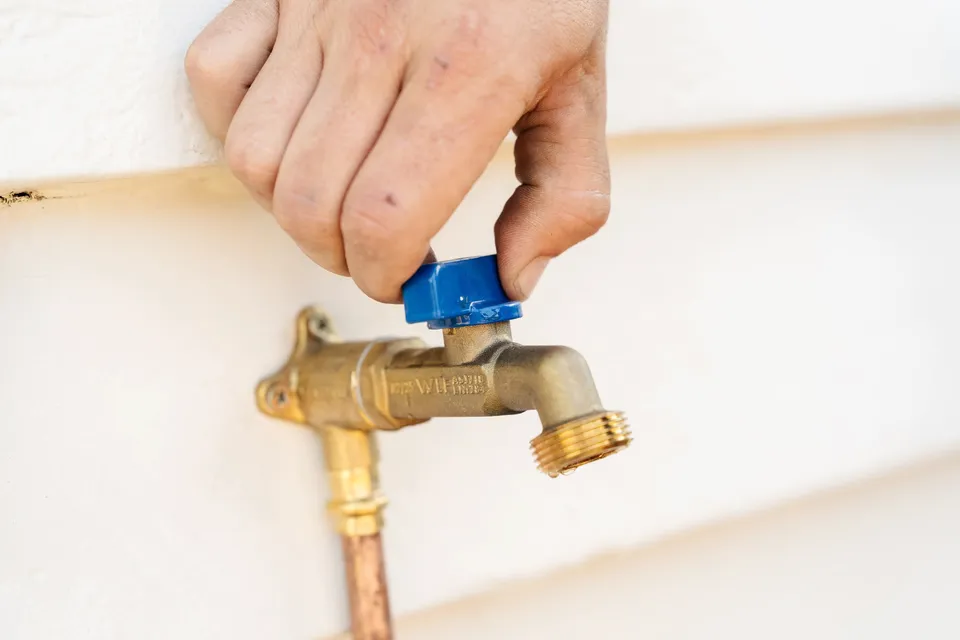
Colour in the bowl, a refill that stalls, or water escaping down the overflow all point at parts inside the cistern, and that is where regulated work begins. Hand the job to a licensed plumber from there, and our toilet repairs page covers every fault on that list.
The setting sets the urgency. Amenities on the Valley's venue strips cop their hardest load through BIGSOUND week and the Fiesta weekends, so a trickling cistern behind a bar gets reported fast. At home the repair can wait a day, but the water bill keeps climbing either way.
Running Toilet Questions Answered
Call (07) 3523 6484Will food colouring stain my toilet bowl?
No, the dye rinses away clean and glazed ceramic holds no stain, and flushing afterwards clears the colour. Urban Utilities suggests the same check for hunting leaks at home.
Which cistern parts can I legally replace myself?
Three: the drop valve washer, a float valve washer or the suction cup rubber. The QBCC classes those swaps as unregulated work, so no licence applies, though the finished repair must still meet the standards. Anything further on a loo is minor work for a licensee.
What does the overflow in my cistern actually do?
The overflow works as a spillway: excess water runs down into the bowl instead of across the floor. Water reaching that point tells you the fill valve is not shutting off, or the float rides high and the level climbs past its mark.
What does fixing a running toilet cost in Fortitude Valley?
Two things drive the price: which part has failed on the day, plus how easily we reach the cistern and its stop tap. You get a fixed quote before any work starts, and nothing begins until you approve the figure.

Call and Book the RepairWe'll call you back.
Call (07) 3523 6484 to book a plumber in Fortitude Valley. We're available 24/7, with $0 call-out fees, flat-rate pricing and same-day where we can.
To claim your $0 call-out fee, call (07) 3523 6484 today.